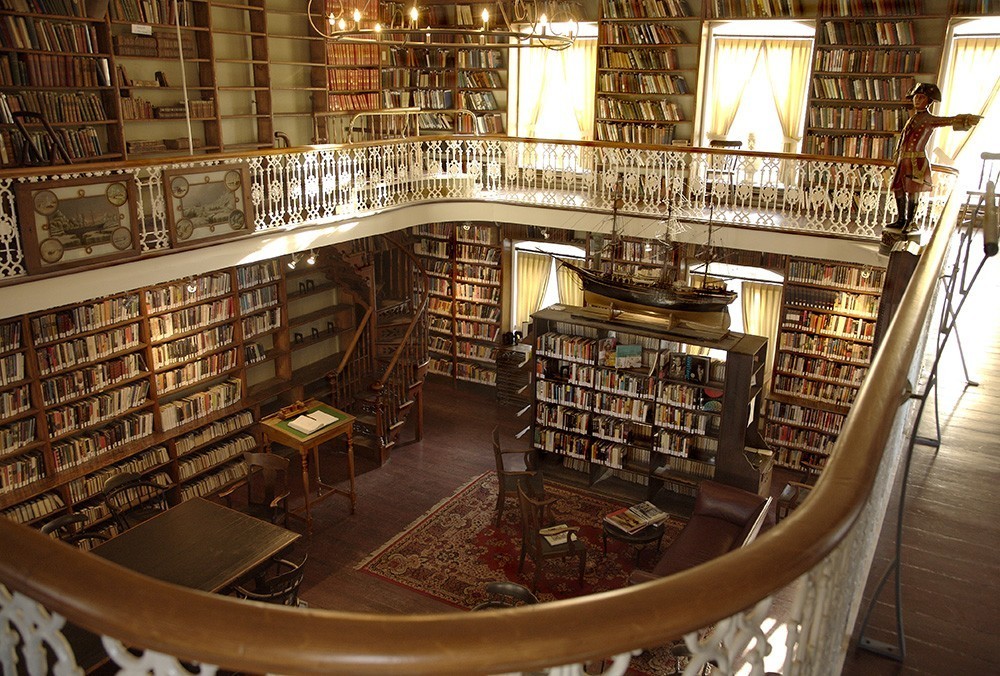
Le site du Morrin Centre témoigne de quatre périodes importantes de l’histoire de Québec et nous rappelle le parcours des communautés — de langues anglaise et française — qui ont participé à son héritage et à son rayonnement actuel.
La Redoute Royale (1712-1808)
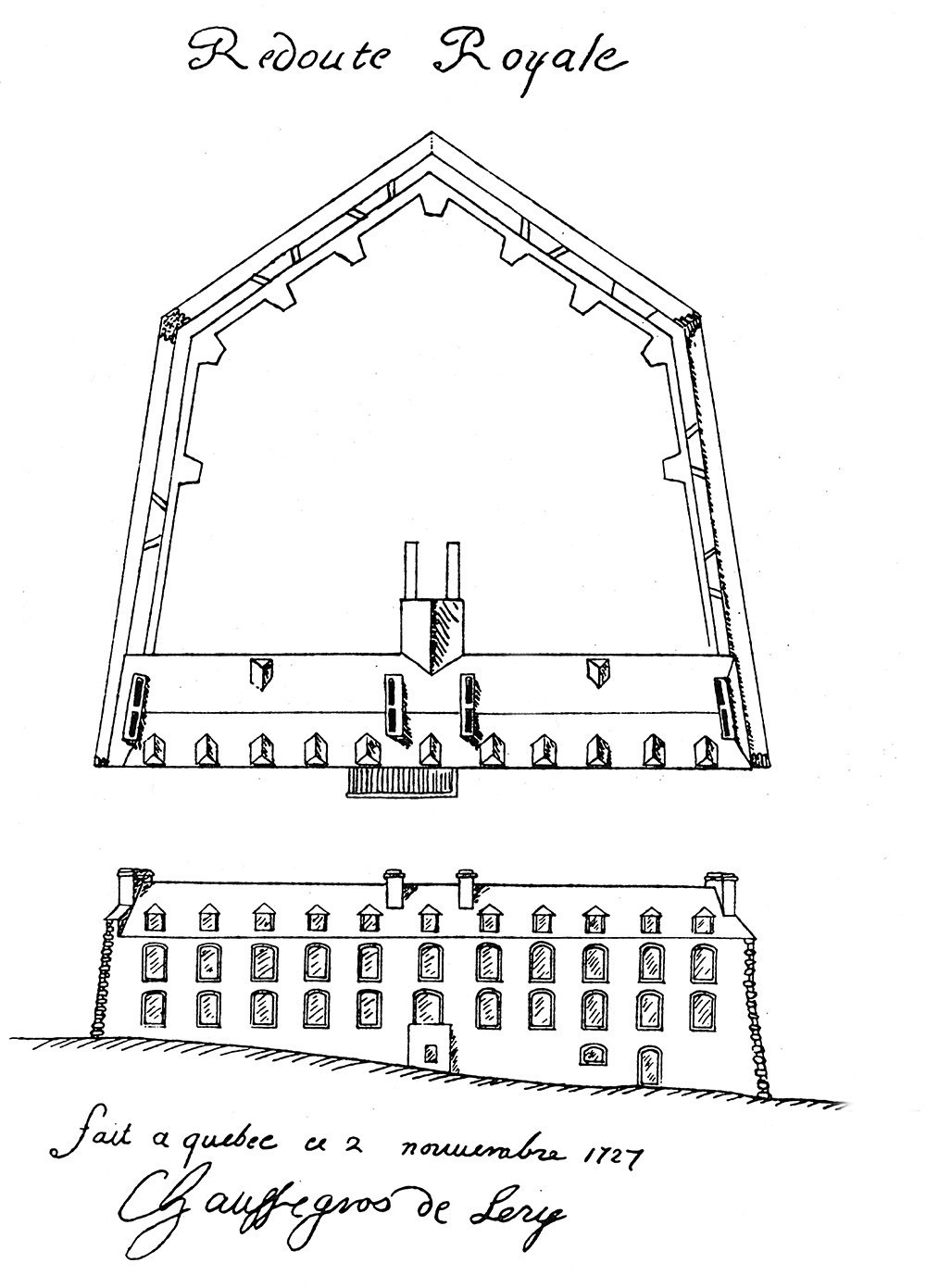
À l’époque de la Nouvelle-France, la Redoute Royale occupe le site du Morrin Centre et fait partie des fortifications de la ville.
Utilisée surtout comme caserne militaire, elle sert aussi de lieu d’incarcération pour prisonniers de guerre. Pendant les années 1740, plusieurs prisonniers britanniques sont capturés et amenés à Québec, incluant des hommes et des femmes capturés lors de raids réalisés par les Français et leurs alliés Amérindiens sur des villes de la Nouvelle-Angleterre. Plusieurs périssent sous les conditions de captivité extrêmement difficiles. Certains sont échangés contre des prisonniers français retenus à Boston mais d’autres restent à Québec, dont Esther Wheelwright qui devient Mère supérieure des Ursulines.
Après que les britanniques se soient emparés de Québec en 1759, la Redoute Royale devient la prison principale de la ville jusqu’en 1787, date à laquelle elle est convertie en entrepôt pour l’armée britannique. La Redoute Royale est démolie en 1808 pour céder sa place à l’édifice actuel.
LA PRISON COMMUNE DE QUÉBEC (1812-1867)
Le bâtiment actuel est érigé entre 1808 et 1813 pour accueillir la prison commune de Québec. Les premiers prisonniers à être incarcérés dans la prison arrivent en 1812. L’édifice est dessiné par François Baillairgé, architecte de Québec. Pour l’extérieur de l’édifice, Baillairgé s’inspire de l’architecture palladienne, un style néo-classique à la mode pour les bâtiments publics de l’époque. La prison commune de Québec est également une des deux premières prisons au Canada à refléter les idées du réformateur de prisons britannique, John Howard (l’autre étant la prison de Montréal, ouvert en 1811-1812). Howard veut réformer ce qui, à ses yeux, est un système carcéral archaïque en Angleterre où les prisonniers de toutes sortes sont entassés dans des cellules communes. Il croit aussi que l’emprisonnement doit remplacer la plupart des punitions corporelles et capitales, qui, à l’époque, forment une partie importante de la justice criminelle britannique. Howard suggère que les prisonniers soient confinés dans des cellules individuelles la nuit, qu’ils fassent des travaux forcés dans des espaces communs de jour et qu’on leur offre une éducation. Les prisonniers doivent également être séparés selon l’importance de leur crime afin d’éviter que des criminels endurcis influencent ceux qui sont emprisonnés pour des fautes mineures.
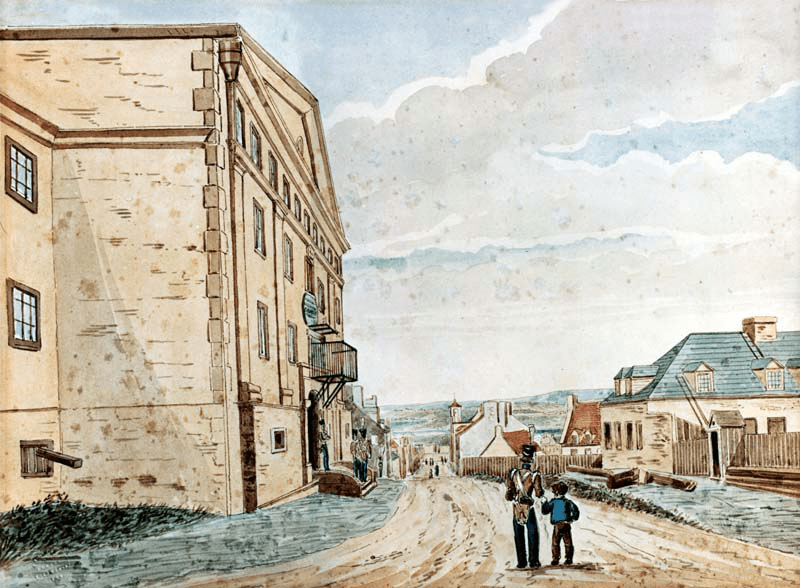
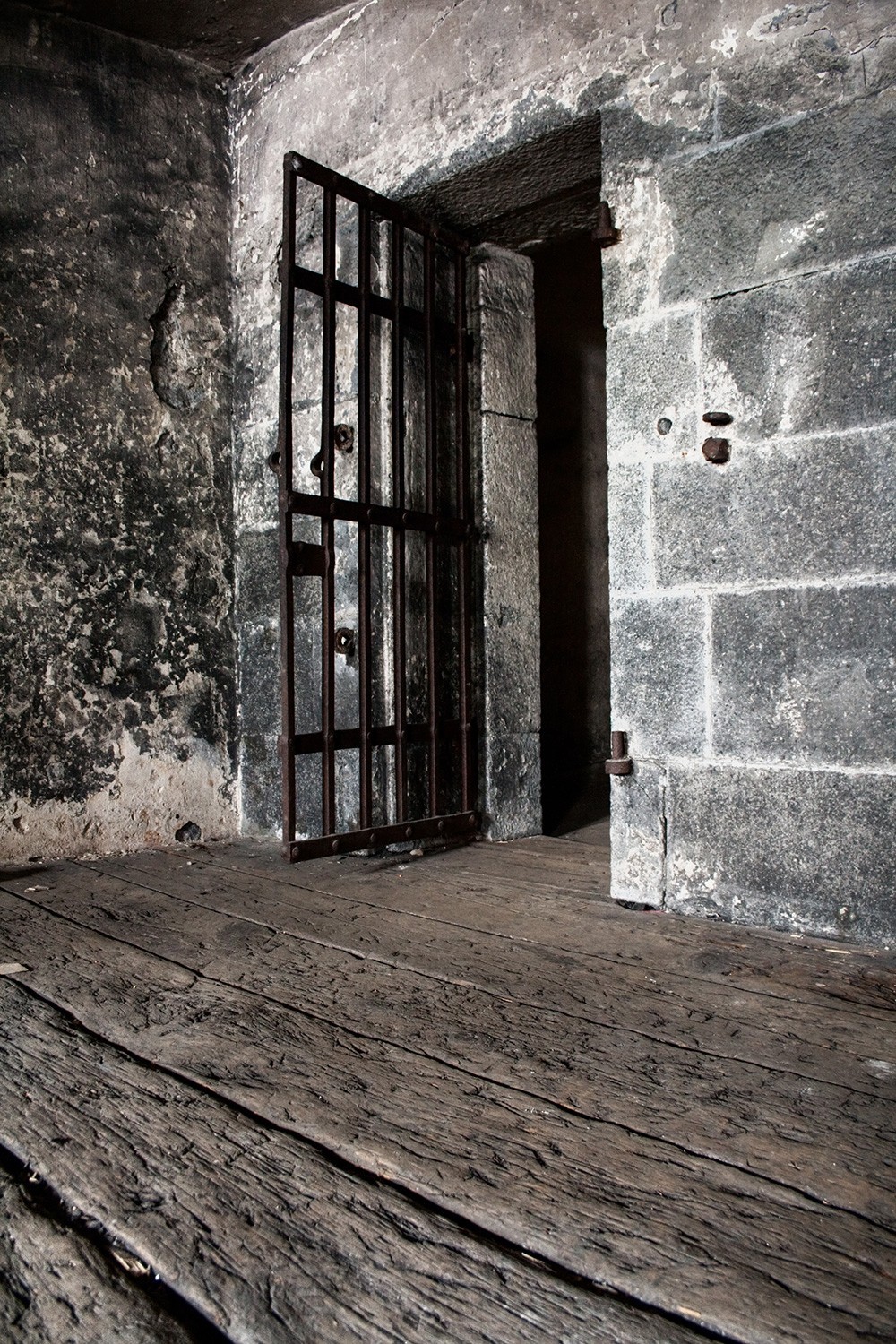
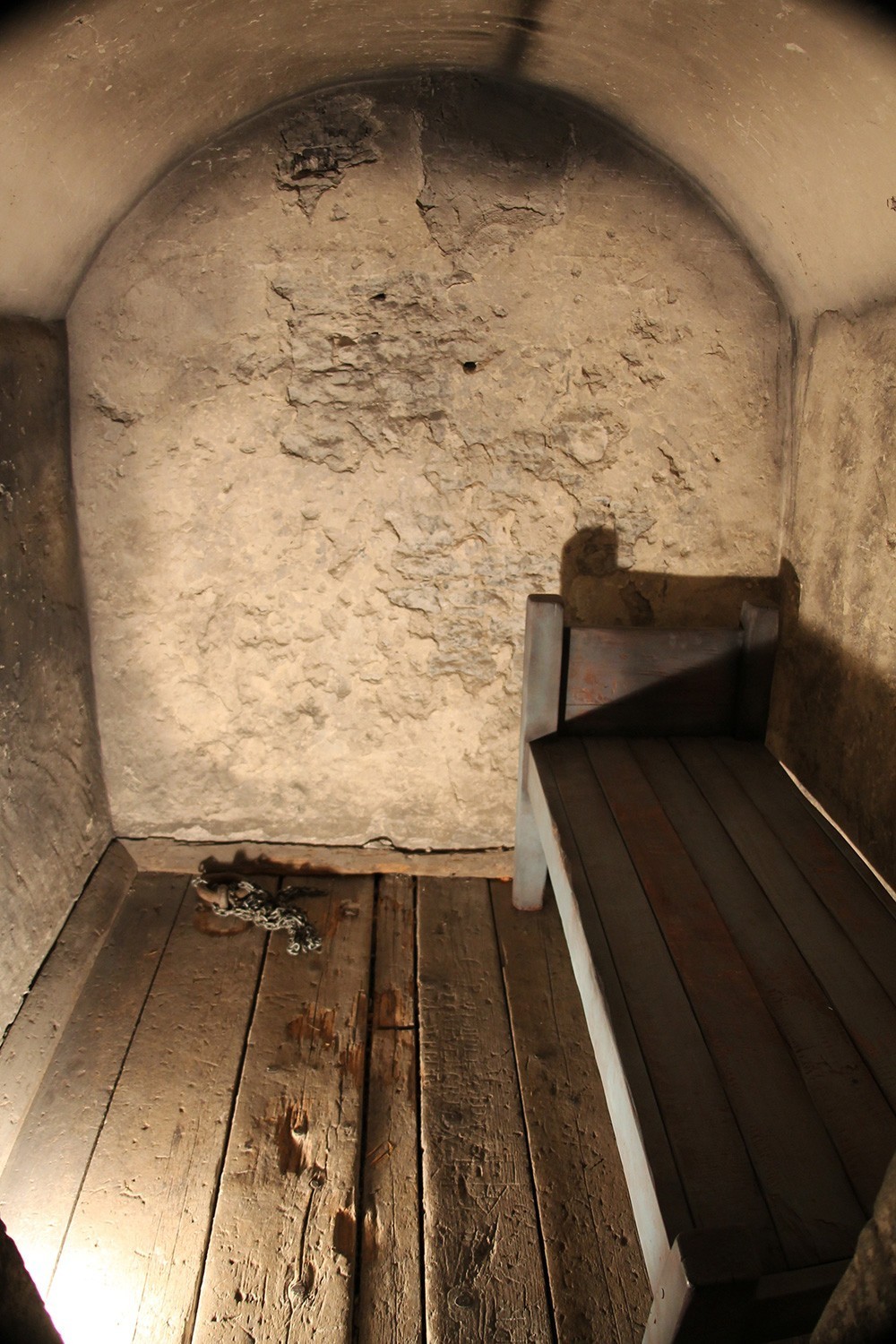
Certaines des réformes d’Howard sont mises en vigueur à la prison commune de Québec. Beaucoup de prisonniers ont à faire des travaux forcés et l’utilisation des punitions corporelles diminue graduellement. Or, à la même époque, de nouvelles idées sur les comportements publics acceptables font en sorte que de plus en plus de personnes sont emprisonnés pour des infractions telles que le vagabondage, l’ivresse publique et la prostitution. La prison devient rapidement surpeuplée et l’intention de classer et séparer les prisonniers selon leurs crimes est essentiellement abandonnée. Au mieux, les hommes sont séparés des femmes, celles-ci étant emprisonnées dans leur propre édifice dans la cour de la prison. De plus, les punitions capitales continuent : des pendaisons publiques ont lieu devant la porte principale de la prison, certaines d’un balcon en fer bâti expressément pour cet usage. Seize hommes sont pendus à la prison pendant ses années d’ouverture, tous sauf un avant 1840.
La plupart des prisonniers sont des hommes et des femmes ordinaires, emprisonnés pour des infractions mineures. Or, plusieurs prisonniers célèbres et infâmes séjournent dans cette prison, dont l’écrivain Philippe Aubert de Gaspé (emprisonné pour dettes), le meurtrier Docteur l’Indienne, le journaliste et Patriote Étienne Parent (emprisonné sous soupçon de trahison lors des rébellions de 1837-1838), ainsi que des douzaines de prisonniers américains capturés lors de la guerre de 1812.
Dès la première décennie de son existence, des officiers et des citoyens commencent à se plaindre que la prison est inadéquate. Toutefois, ce n’est qu’en 1867 qu’elle est enfin fermée. Les prisonniers sont transférés vers une nouvelle prison sur les Plaines d’Abraham qui fait aujourd’hui partie du Musée national des beaux-arts du Québec.
Le Morrin College (1862-1902)
Le Morrin College est la première institution d’enseignement supérieur de langue anglaise à Québec. Initialement, l’institution partage des espaces avec le Temple maçonnique. En 1868, l’ancienne prison est rénovée afin d’accueillir le Morrin College.

Étudiants et enseignants du Morrin College vers 1891
Le collège a été fondé à l’initiative d’un Écossais, le Docteur Joseph Morrin, ancien maire et médecin éminent de Québec.
Par son affiliation avec l’Université McGill, des diplômes en Arts y sont décernés. Le Morrin College forme aussi plusieurs pasteurs pour l’Église presbytérienne.
À partir de 1885, le collège admet des femmes à son programme de baccalauréat, et ce, autour de la même époque que McGill et bien avant l’Université Laval. En raison du faible nombre d’étudiants, les classes sont aussi mixtes, un fait encore plus rare pour l’époque. Un manque de fonds et d’étudiants oblige toutefois le collège à fermer ses portes au tournant du XXe siècle.
La Literary and Historical Society of Quebec (1824 à aujourd’hui)

Fondée en 1824 par le gouverneur du Bas-Canada, le comte de Dalhousie, la Literary and Historical Society of Quebec est la première société savante au Canada. Après avoir été relocalisée plusieurs fois et avoir essuyé deux incendies, la Société s’installe dans l’aile nord du Morrin College en 1868.
À l’origine, les orientations et les objectifs de la Société sont variés. La Société collectionne des documents sur l’histoire du Canada et réédite plusieurs manuscrits rares. La recherche dans tous les champs de connaissance est fortement encouragée. Des essais érudits sont régulièrement publiés dans les Transactions; certains de ces textes contribuent considérablement à l’avancement du savoir.
Au cours des années, la Société joue un rôle important dans la création d’institutions spécialisées qui prendront ensuite la relève de certains mandats initialement pris en charge par la Société. Elle sera ainsi impliquée activement dans la fondation des Archives nationales du Canada. Elle soutiendra également la conservation du patrimoine canadien en appuyant la protection de ce qui restait du champ de bataille des Plaines d’Abraham face au développement immobilier et en favorisant la création de la Commission des lieux et monuments historiques du Canada. Les activités de la Société se concentrent de plus en plus sur les services de sa bibliothèque de prêt, offrant une collection unique de livres en anglais dans une ville majoritairement francophone.
Pendant la dernière décennie, la Société a redéfini sa mission. L’édifice a été entièrement restauré et transformé pour devenir le Morrin Centre qui, en plus d’abriter encore la bibliothèque, agît à titre de centre culturel de langue anglaise à Québec et de site d’interprétation historique.

Ouverture officielle en 2011 – Fin de la restauration
Bibliothèque de langue anglaise
Les origines de la bibliothèque remontent à la création de la Literary and Historical Society of Quebec en 1824. Au cours de sa longue histoire, la Société a eu la chance d’accueillir des personnages illustres tels qu’Emmelyne Pankhurst. Depuis 1868, la bibliothèque siège dans le bâtiment actuel du Morrin Centre. C’est aussi à cette époque qu’elle incorpore la collection de la Quebec Library, la plus vieille bibliothèque de souscription au Canada, fondée en 1779 par le gouverneur Frederick Haldimand. Bien que la plupart des livres de la collection originale ne s’y trouvent plus, sa collection actuelle, sans cesse renouvelée par de nouvelles acquisitions, comprend un nombre important d’anciens ouvrages, dont certains remontent au XVIe siècle.